Slow days, early nights and a visit to a TCM physician
A consultation with a TCM physician, whichever therapies they recommend, and the rest of each day kept deliberately quiet: a walk, an early dinner, a foot soak, screens off. In Kunming or Chongqing.
A pause for body and mind
People choose a TCM wellness journey for different reasons. Whatever brings you, the heart of it is time to rest, guided by a long tradition of everyday wellness.
When sleep has become harder
Work, screens, travel and stress can all get in the way of rest. A few unhurried days give you space to build calmer evening habits.
A break from a busy life
A session at the hospital in the morning, a walk in the afternoon, nothing in the evening. We handle the bookings, cars and restaurants.
Feeling run down
Tired, out of rhythm, and in need of a few early nights.
Staying well as the years go by
Gentle exercise, seasonal eating and steady routines are everyday wellness habits you can keep practising at home.
Curious about Chinese medicine
Never had your pulse read or your tongue looked at? This is an easy way to try it, with your coordinator beside you interpreting as the physician explains what they are doing and why.
Time for yourself, or together
Come alone and we will leave you alone. Come as a couple and we book two consultations. Bring the children and we plan outings for them while one parent is at the hospital. Tell us which you are.
What a TCM wellness journey can include
The physician decides which of these suit you after your consultation, and may leave some out.
Consultation & body constitution
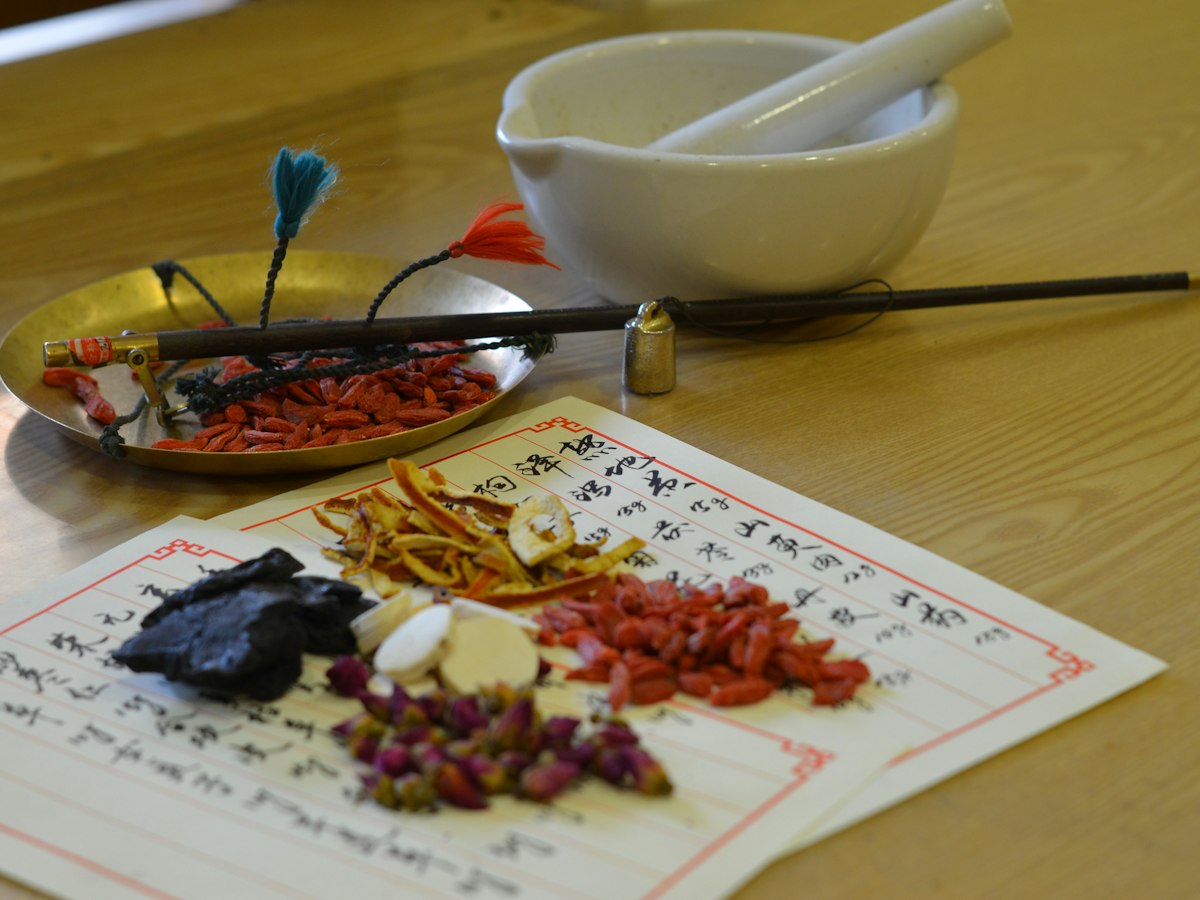
A TCM physician asks about your sleep, energy, diet and health history, looks at your tongue and feels your pulse at the wrist, then describes your body constitution in traditional terms.
Avoid coffee or coloured drinks just before the consultation, as they can stain the tongue. Herbal medicine is optional and only prescribed after the physician has reviewed your current medicines.
Acupuncture
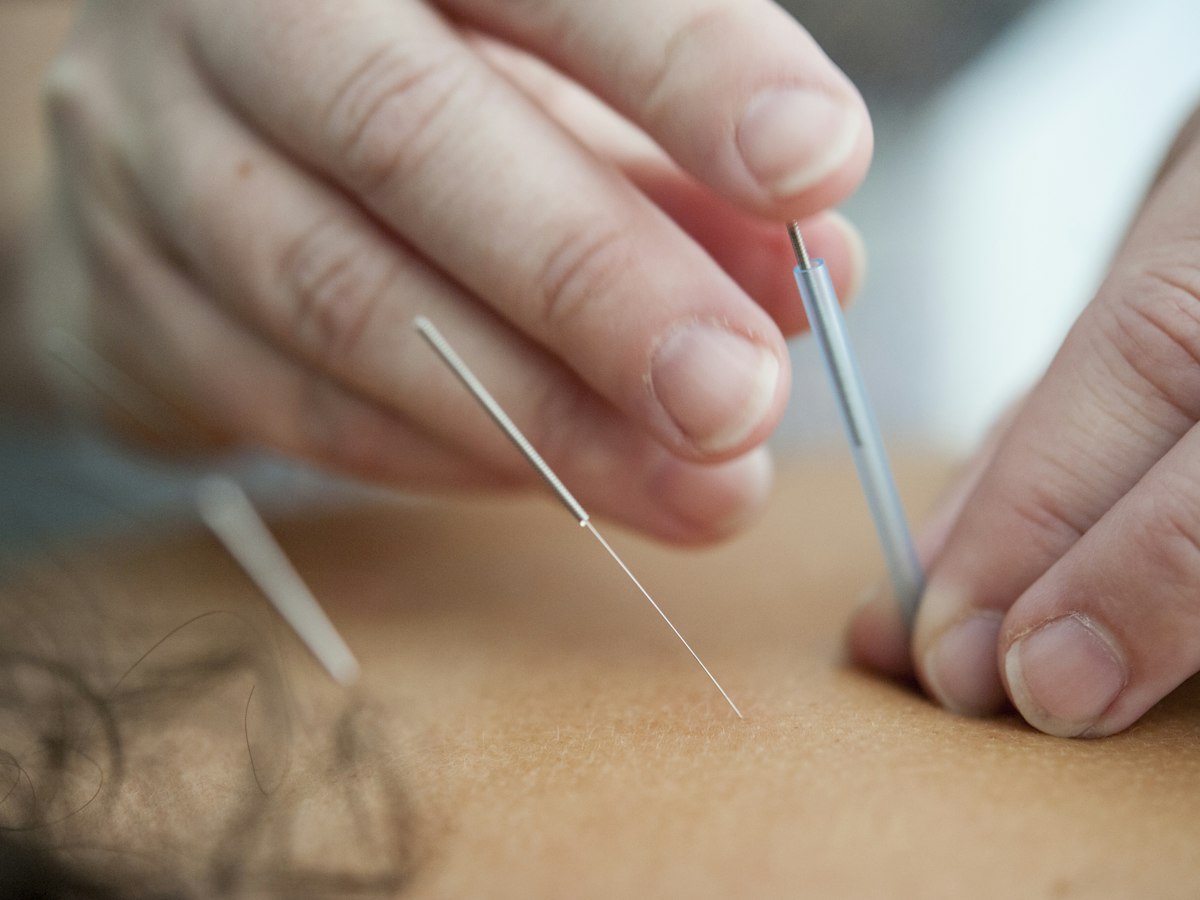
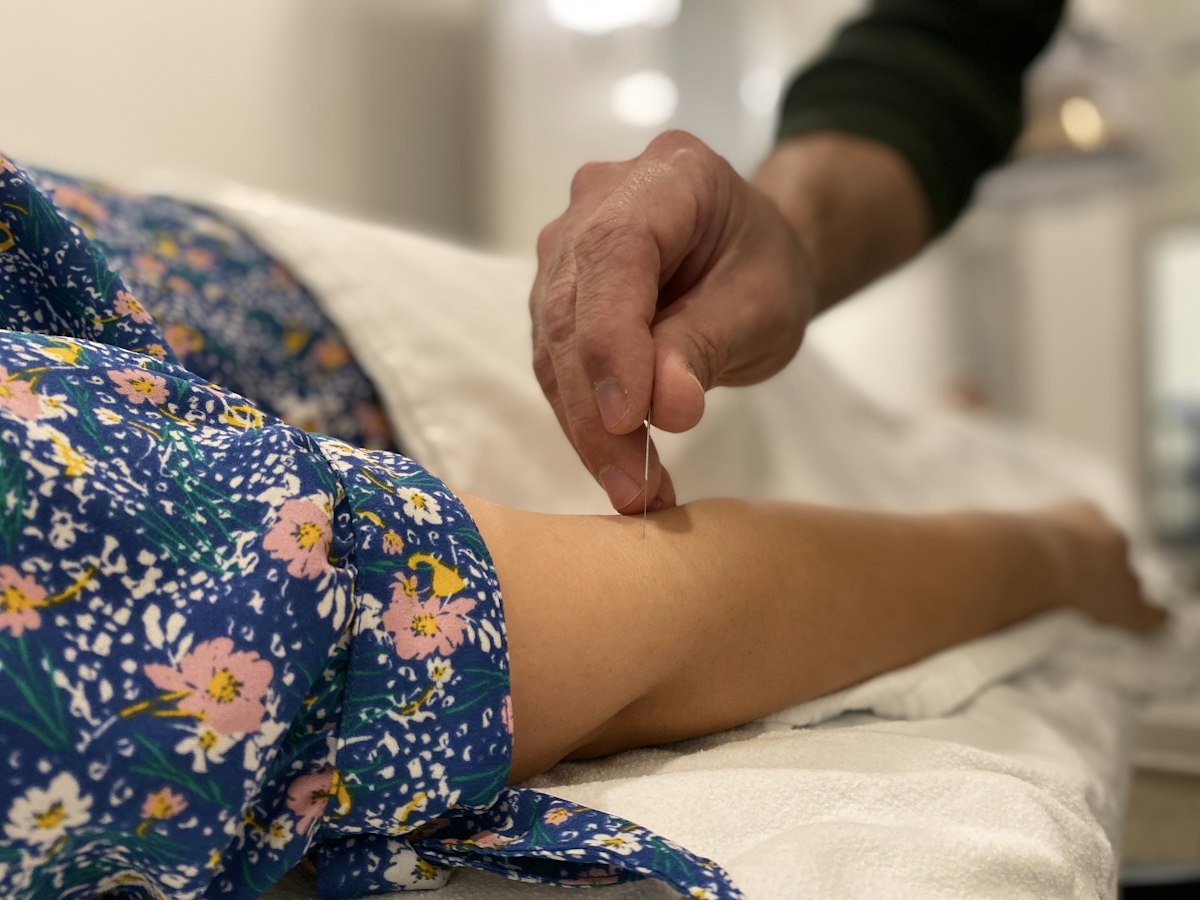
Fine needles placed by a TCM physician at the hospital. Most people feel a brief prick or a dull ache, and many find the session relaxing.
Tell your coordinator through the secure channel if you take blood thinners, have a bleeding disorder or a skin condition, or are pregnant.
Tuina massage
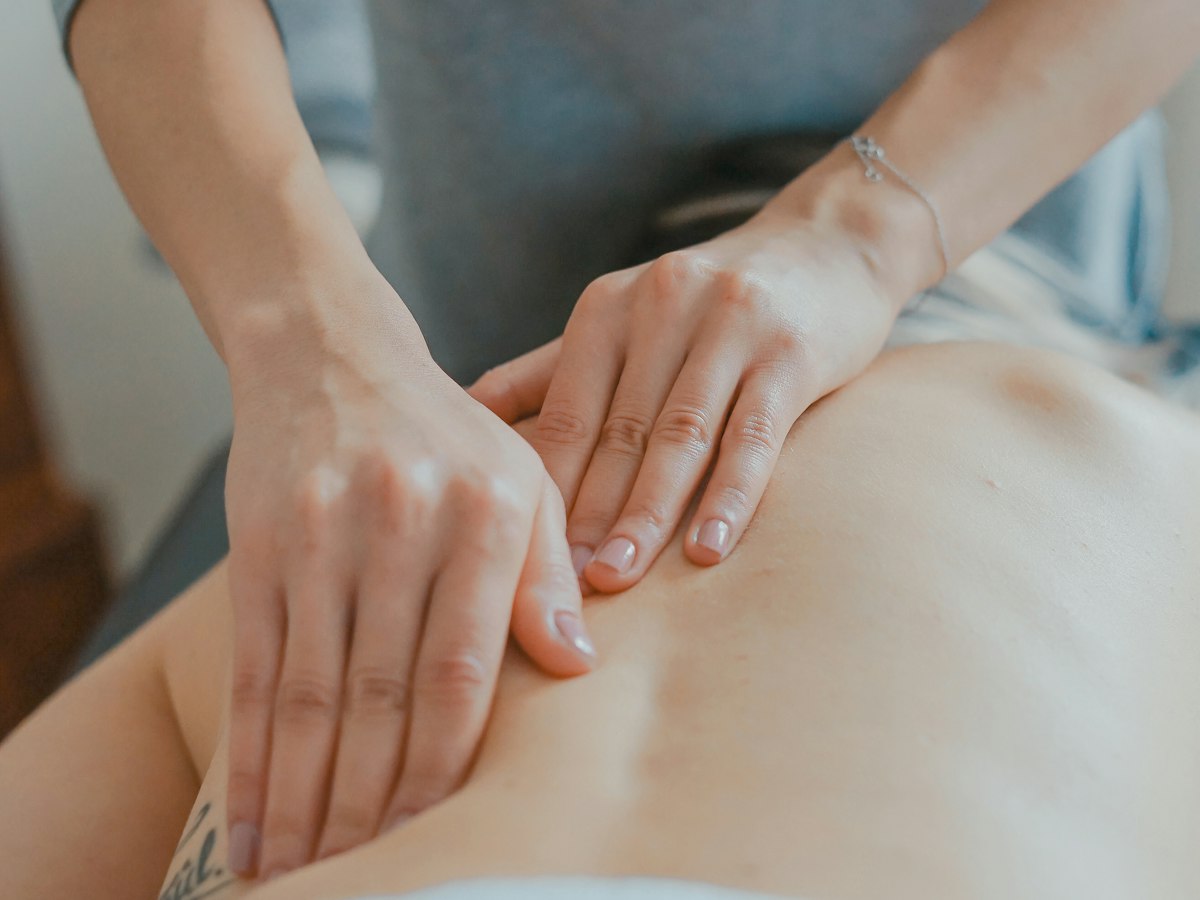
Traditional Chinese massage using pressing, kneading and stretching, given by the hospital's practitioners. The pressure is firm but can always be adjusted: just ask for a lighter touch.
Let your coordinator know about osteoporosis, recent injuries or blood-clotting problems before your session.
Dry cupping
Suction cups are placed on the skin, usually on the back, for a few minutes. They leave round red or purple marks that fade over the following days.
Dry cupping only, with no cuts to the skin (unlike wet cupping, or hijama). Not over broken skin, eczema or psoriasis.
Moxibustion
Dried mugwort (moxa) is lit and held close to the skin at chosen points, so you feel a gentle warmth rather than a burning heat.
Not suitable if you are sensitive to smoke or have smoke-triggered asthma, are allergic to mugwort or ragweed, or have reduced feeling in your skin.
Herbal foot soak
A warm (not hot) evening foot soak at your hotel, plain or with herbs the physician has chosen. It is the last thing before bed.
If you have diabetes, poor circulation or numb feet, or are pregnant, ask the physician first. They will advise whether to skip or adapt it.
Medicinal cuisine
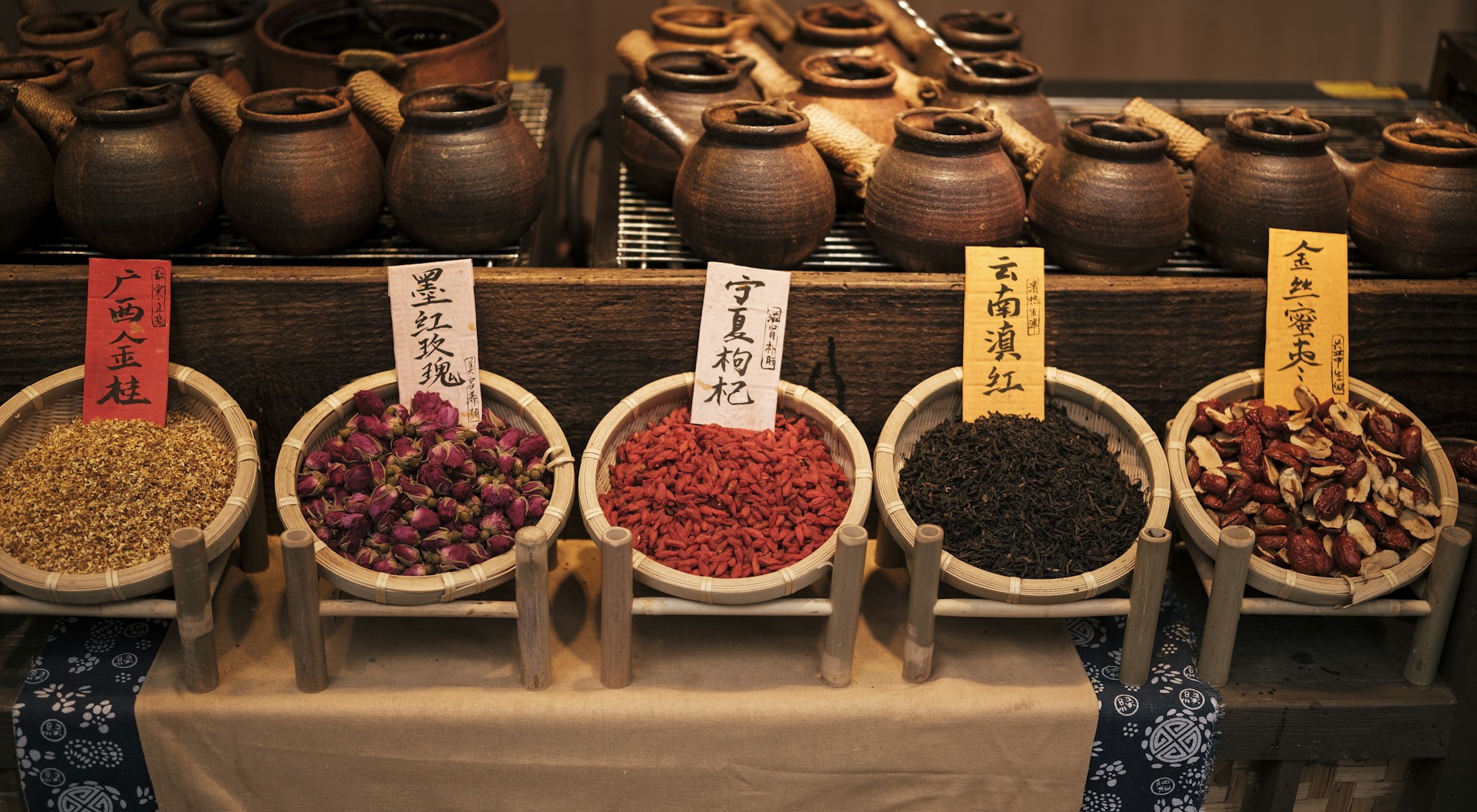
Seasonal dishes using ingredients traditionally regarded in China as both food and medicine, such as goji berries and red dates.
These dishes often use cooking wine or pork stock, so if you eat halal we arrange halal meals instead. Vegetarian meals on request.
Tai chi & Baduanjin
Slow movement in a park or garden. Baduanjin (the Eight Brocades) is a short routine that is easy to learn and to keep practising at home.
Suitable for most ages. Tell the instructor about joint problems or pregnancy.
Tea culture
Learn to brew and taste Yunnan Pu'er and other Chinese teas at a tea house or tea market.
We schedule tastings in the morning or early afternoon and offer caffeine-free drinks in the evening.
A programme built around rest
Stress, routine, light, food and movement all affect sleep, so the programme works on all of them rather than just one.
- It starts with a consultation. The TCM physician talks with you about your sleep and daily routine, then suggests the sessions that suit you.
- Sessions at the hospital. Acupuncture or tuina, for example, and never more than you are comfortable with.
- An evening wind-down. An early, light dinner, a warm foot soak, breathing practice and screens off, with no tea or coffee after early afternoon.
- Morning movement. Tai chi or Baduanjin outdoors, which you can keep practising at home.
- Regular meals and time outside. Seasonal food, medicinal cuisine if you'd like to try it, and daylight walks by lakes, gardens and forests.
- Quiet surroundings. Hotels away from main roads, and resorts with hot springs when you want them.
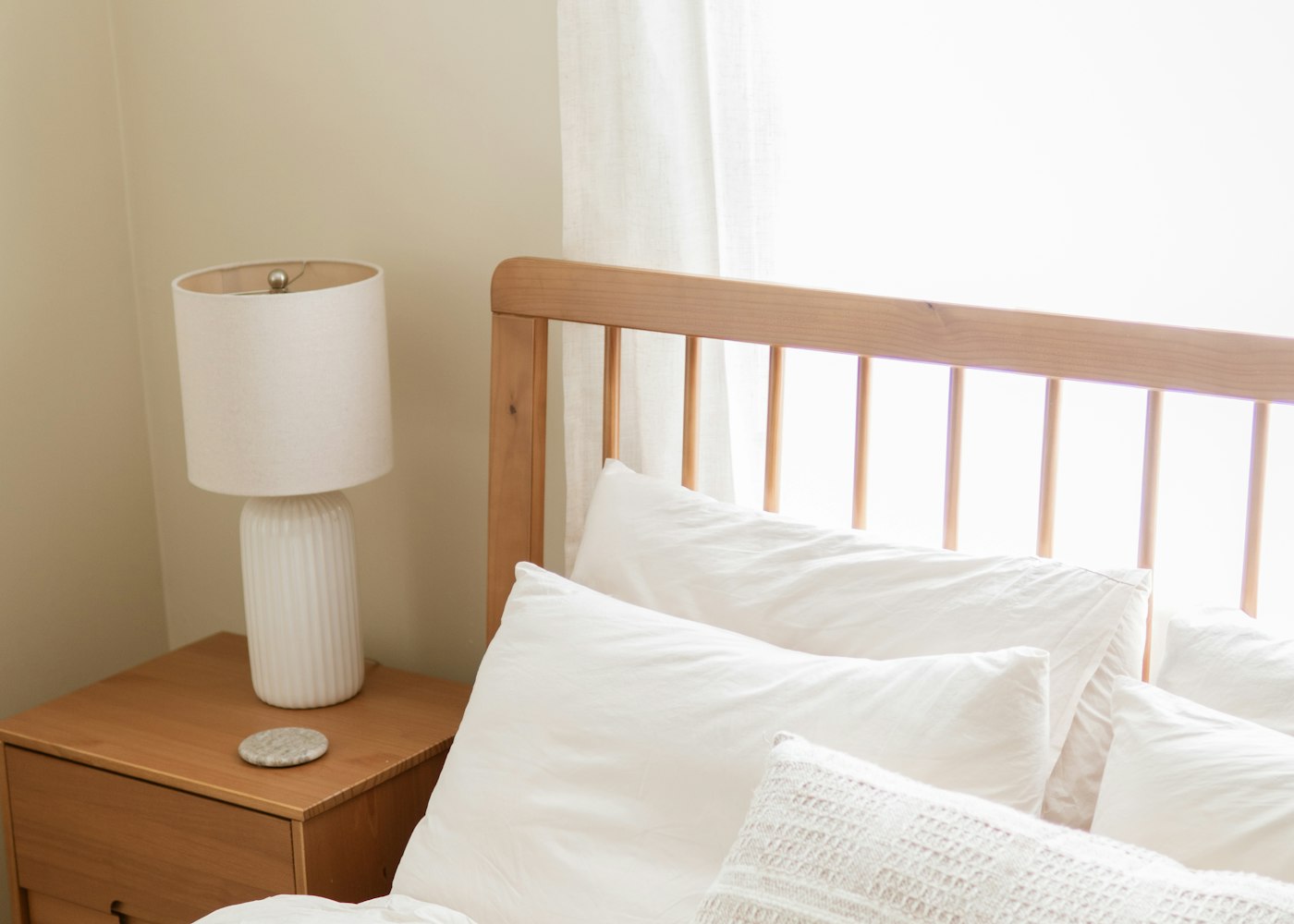
Ongoing sleep problems should also be checked by a doctor. If you have had trouble sleeping for months, snore loudly, feel very sleepy during the day, or often feel low or anxious, please see a doctor first. We can help arrange a consultation at a hospital sleep medicine department, and add a health checkup if you'd also like a general health review.
Three ways to plan your journey
There are no fixed packages. These are starting points, and we shape them around your dates and what the physician advises.
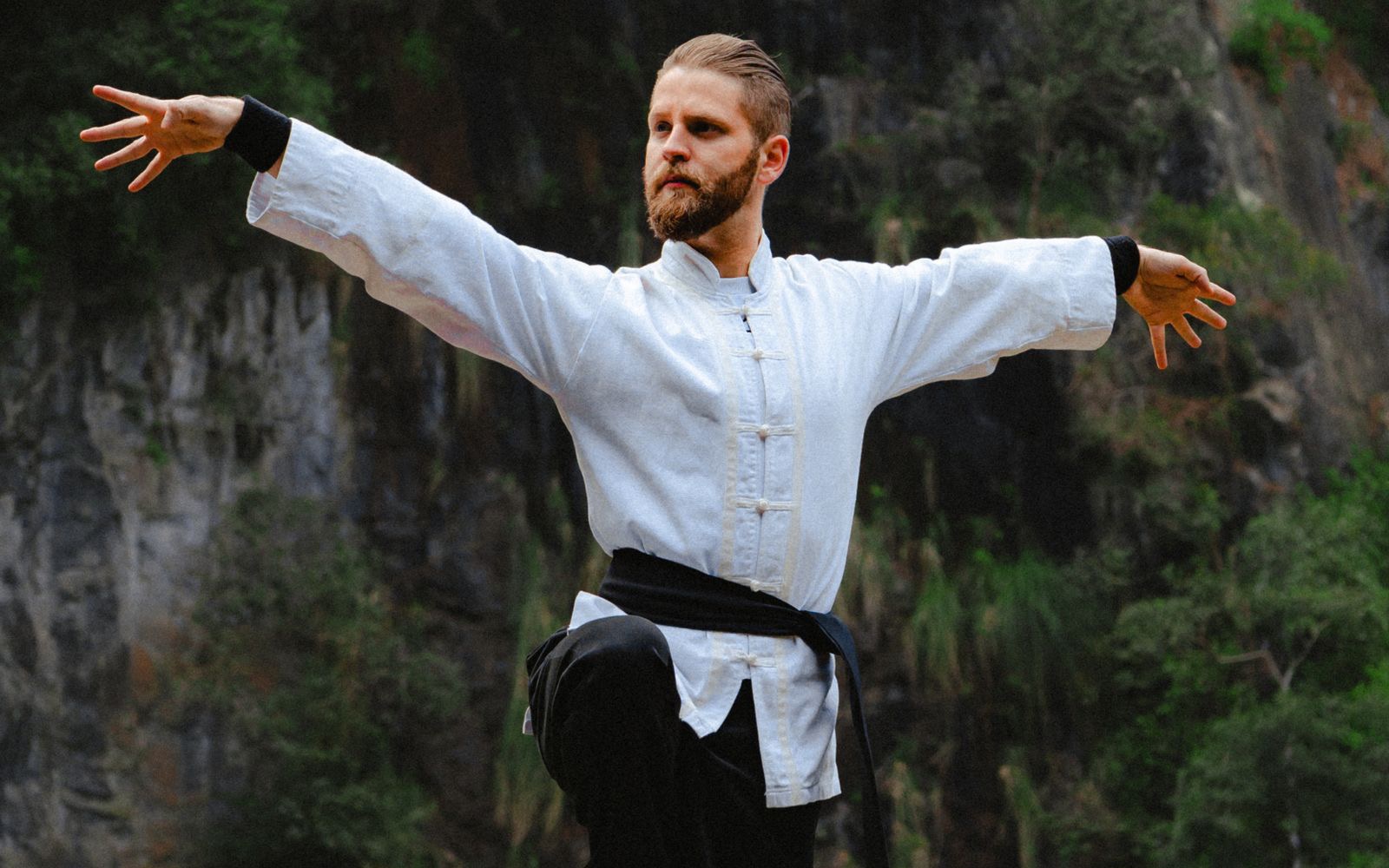
Sleep & stress programme
A week with your TCM consultation at the start, the sessions the physician recommends through the middle, tai chi before breakfast and early nights.
A health checkup can be added.
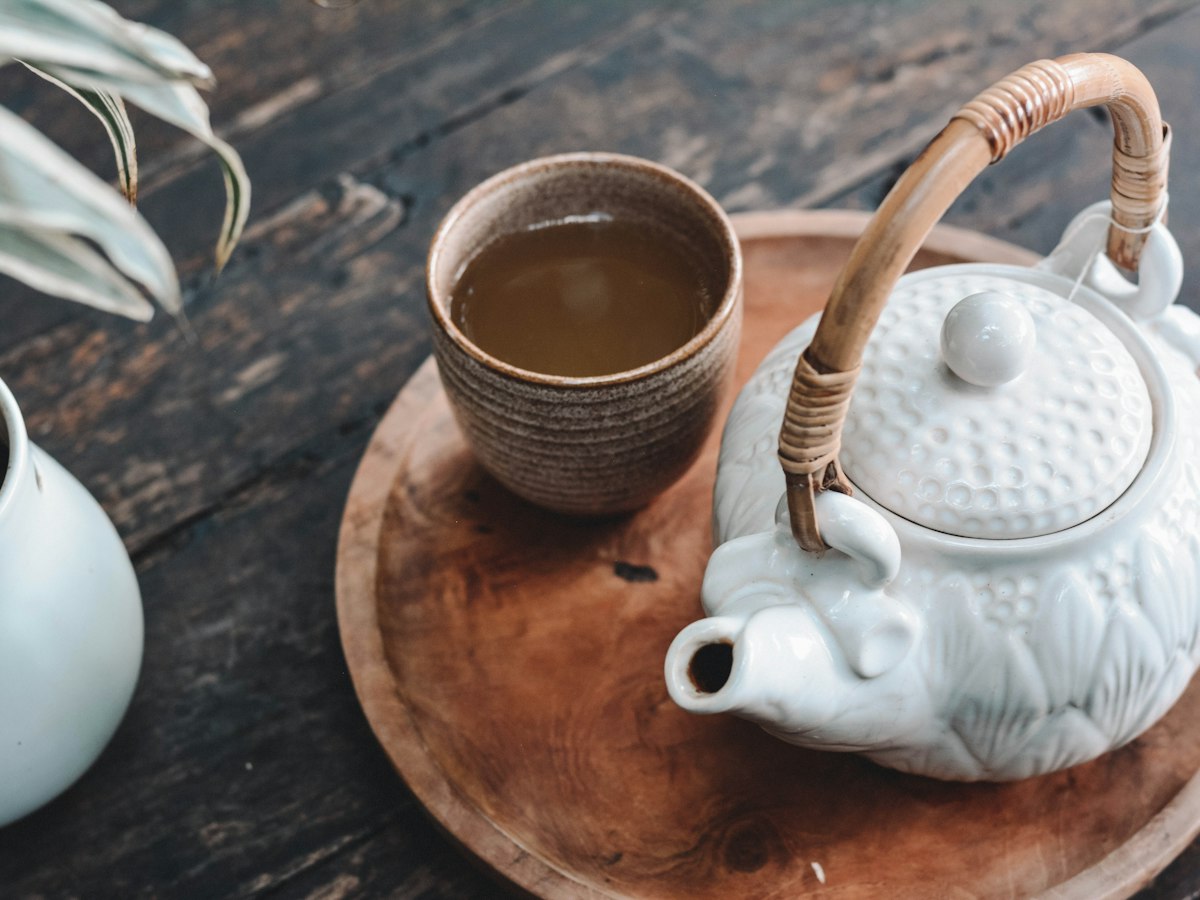
TCM wellness retreat
The longer version. The physician's sessions are spread out over the stay, with medicinal meals, a tea afternoon, a hot-spring day or two and walks in between, and some days with nothing booked at all.
Kunming or Chongqing. Longer stays can be planned on request.
Add TCM to your trip
A TCM consultation and one or two sessions, tai chi in a park or a tea experience, fitted around your dental appointments or health checkup.
After dental surgery, your dentist and the TCM physician will advise what suits you while you recover.
Lengths are typical examples. We stay in touch after you fly home to help you keep your routine going.
A sample day
An example only. Your coordinator shapes the day around you, including prayer times on request.
Morning movement
After a light breakfast, tai chi or Baduanjin in a park or hotel garden, at your own pace.
Your TCM session
The session planned by your physician at the hospital, with your coordinator by your side to interpret.
Lunch & quiet time
Lunch, then time to rest, pray or read. Any tea tasting happens now, not in the evening.
An afternoon outing
A lake walk or a botanical garden. On days without cupping or acupuncture, perhaps an afternoon at a hot spring.
Early, light dinner
Seasonal dishes, including medicinal cuisine if you'd like to try it, or halal meals on request.
Wind down
A warm foot soak, breathing practice, screens off and lights out at a regular time.
Kunming or Chongqing: two places to slow down
Both cities have large public TCM hospitals, hot springs within reach and plenty of green space. Choose by season, climate and how you'd like to spend your free time.
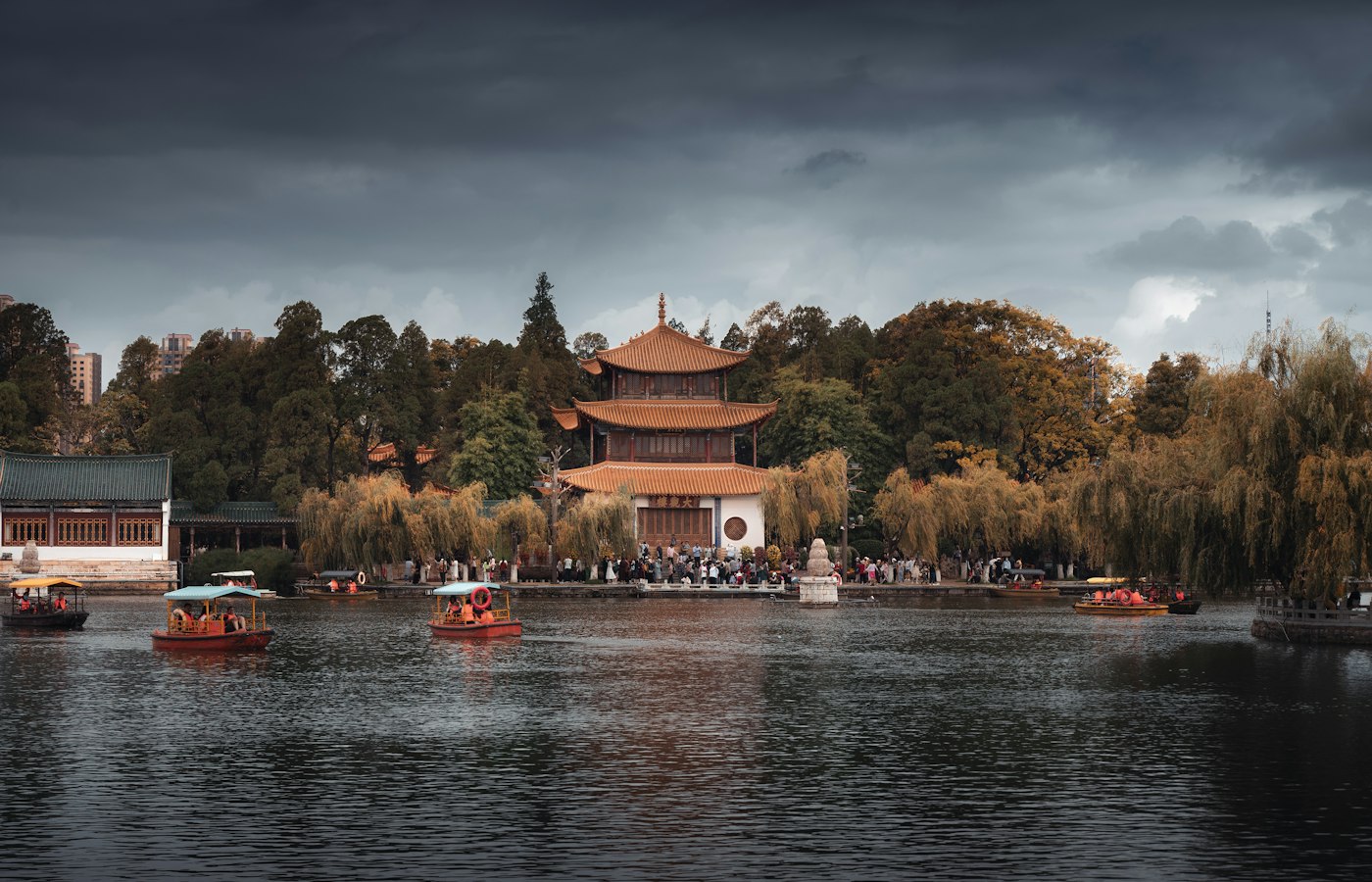
Spring weather and plateau calm
- Mild all year. The average temperature is about 15–16°C, and even June to August averages around 20°C: a relief from tropical or desert heat.
- Altitude, taken slowly. Kunming is at about 1,890 m. Most visitors adjust easily, but some notice mild breathlessness, a headache or lighter sleep for the first night or two. If you have a heart or lung condition, please check with your doctor before you travel. We keep your first day easy.
- Public TCM hospitals. Yunnan Provincial Hospital of Traditional Chinese Medicine (founded 1947) began setting up an international medical department for foreign patients at its Dianchi campus in 2026. Kunming Municipal Hospital of Traditional Chinese Medicine has a preventive-care department offering constitution assessment.
- Plants, herbs and tea. Yunnan is home to more than half of China's plant species, including thousands of medicinal plants, and Pu'er tea comes from here. Kunming Botanical Garden includes a medicinal-herb garden.
- Hot springs and lakes. Anning's hot springs are about an hour away. Closer in: Dianchi Lake, the Western Hills and Green Lake Park, where black-headed gulls spend the winter, usually from November to March.
Best time: comfortable all year. Hot-spring days are especially pleasant in the cooler months.
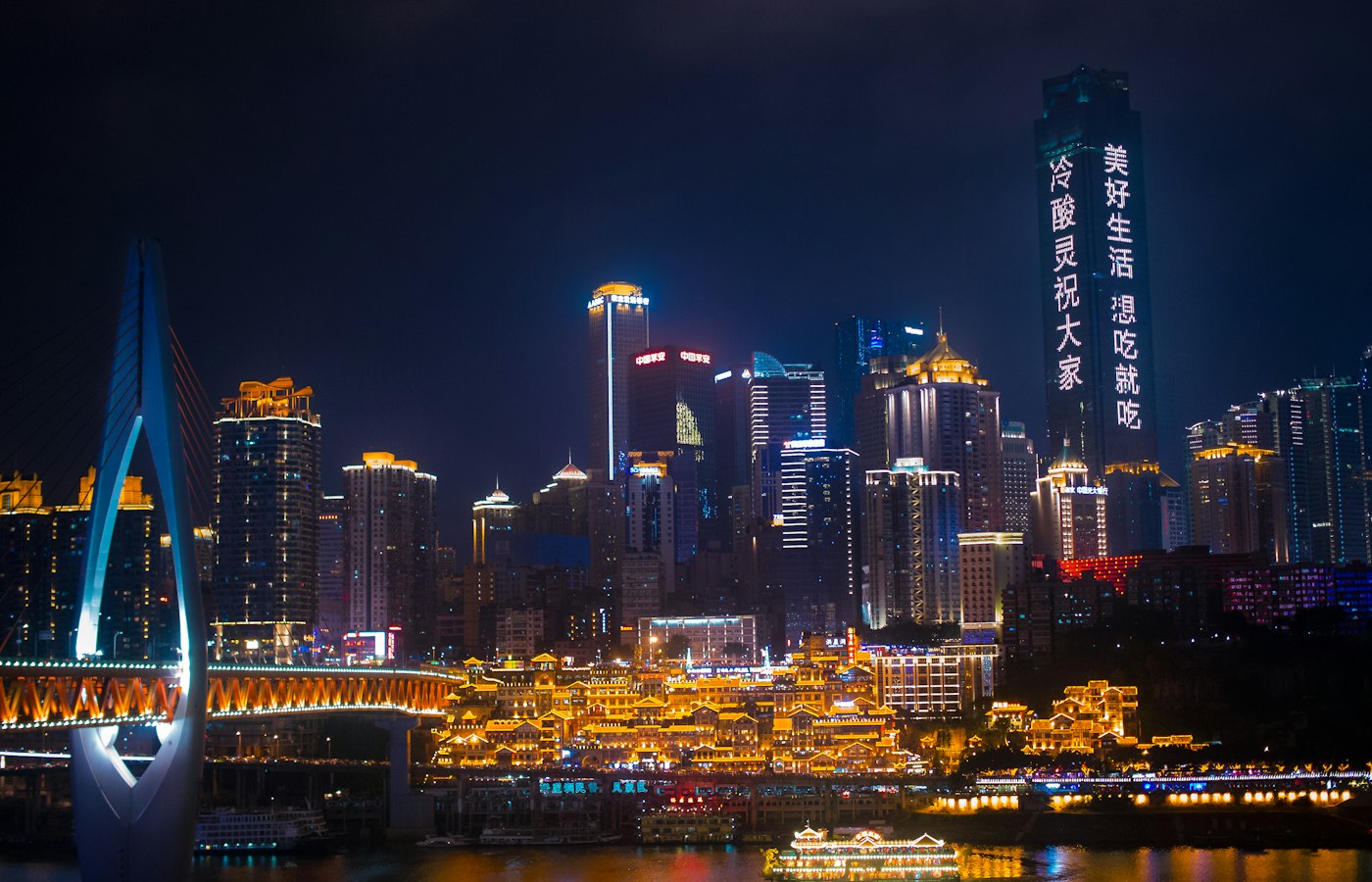
A mountain city with hot springs and green hills
- A World Capital of Hot Springs. In 2012 Chongqing became the first city recognised as a World Capital of Hot Springs by the World Federation of Hydrotherapy and Climatotherapy (FEMTEC).
- Beibei, the green side of the city. The North Hot Spring (Beiwenquan) sits by the Jialing River at the foot of Jinyun Mountain, a national nature reserve of subtropical evergreen forest. The Tongjing hot spring is in Beibei too.
- Large public TCM hospitals. Chongqing Traditional Chinese Medicine Hospital has a sleep medicine centre, a preventive-care centre and an acupuncture and moxibustion department that is a national key clinical specialty.
- Herb heritage. Jinfo Mountain, part of a UNESCO World Natural Heritage site, has 4,180 recorded medicinal plant species and is more than 10°C cooler than the city centre in summer.
- Gardens and day trips. Nanshan Botanical Garden, home to a national camellia collection, and the karst landscapes of Wulong.
Best time: spring (March–May) and autumn (September–November); hot springs are lovely from November to March. Mid-July to August is very hot in the city.
Hospitals are named from public information for reference only. This does not imply a partnership, and appointments depend on each hospital's acceptance and availability.
How TCM wellness fits with modern medicine
TCM wellness is complementary. It sits alongside the care you get from your own doctor, never in place of it.
- Licensed practitioners only. Acupuncture, tuina, cupping, moxibustion and herbal medicine are provided only by licensed practitioners at licensed hospitals, and we only book acupuncture where the hospital confirms it uses sterile, single-use needles. Wellness activities such as tai chi, tea tastings and evening foot soaks are led by instructors or done at your hotel.
- Keep taking your medicines. Continue any prescribed medication, including sleeping tablets or antidepressants, unless your own doctor advises otherwise.
- Herbal medicine is optional. It is only prescribed after a consultation with a licensed TCM physician, who reviews your current medicines first. Herbs can interact with medicines such as blood thinners, and they are not advised if you are pregnant or breastfeeding. You can ask for the ingredient list, and ask the physician to avoid mineral and animal ingredients.
- Tell us before you travel, through the secure channel your coordinator shares (not the enquiry form), about anything on this list: pregnancy or breastfeeding, blood thinners or a bleeding disorder, a heart condition or high blood pressure, diabetes, numb feet, a skin condition, a pacemaker, osteoporosis, sensitivity to smoke or asthma, or mental-health care you are receiving. With your consent, we share this with the hospital so your plan can be adapted.
- Mild, temporary effects can happen. Cupping leaves marks that fade over days, and acupuncture can cause minor bruising. Tell the practitioner straight away if anything feels uncomfortable.
- Hot springs, with care. Hot-spring bathing may not be suitable if you have a heart condition, uncontrolled blood pressure, broken skin or numb feet, or are pregnant, so check with your doctor first. Avoid it after alcohol. The TCM physician will tell you how long to wait after cupping or acupuncture, and we plan hot-spring time for a different day if needed.
- In an emergency. If you ever feel unable to cope or unsafe, contact a doctor or emergency services straight away. In China, call 120 for an ambulance, and your coordinator can help you get to a hospital. At home, use your local emergency number.
For visitors from Southeast Asia and the Gulf
- Halal meals. Halal meals can be arranged, and Kunming has halal restaurants and a historic mosque near Shuncheng Street. Vegetarian and other diets on request.
- Female practitioners on request. A female practitioner, and a female interpreter or chaperone, can be requested. Subject to availability, and confirmed with you before you travel.
- Time for prayer and rest. On request, we build your schedule around prayer times.
- Ask about ingredients. If you avoid gelatin (including donkey-hide gelatin, known as e-jiao), other animal-derived ingredients, or alcohol (including herbs prepared in wine), tell the physician and ask for the ingredient list of any herbal product before you accept it.
- Modest hot-spring options. Public hot-spring pools in China are usually mixed-sex, with swimwear worn. We look for private or family hot-spring pools where available.
- Privacy. Private car transfers, discreet scheduling, and health information shared only with your consent through a secure channel.
- Family companions. Family rooms, outings for companions and children, and your coordinator interpreting at every hospital visit.
- Easy to reach. Direct flights from many Southeast Asian cities, and visa-free entry for many passports. We'll check yours.
TCM wellness FAQ
What are the risks of TCM therapies?
Will it fix my insomnia?
Do I need to stop my medication?
Can I take herbs home?
How long should I stay?
Can I combine it with dental care or a health checkup?
Can my family join?
Ready when you are
Tell us what you'd like from your time away, your preferred city and your dates.